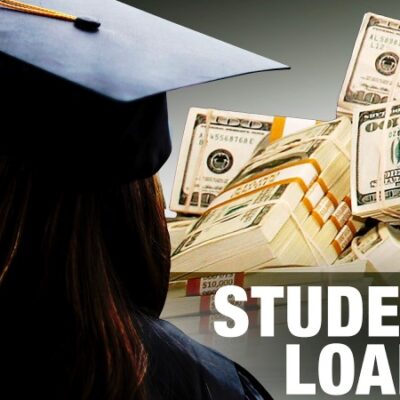
Pursuing higher education is a significant milestone in a student’s life, opening doors to numerous career opportunities and personal growth.
However, the financial burden associated with obtaining a quality education can be daunting. Tuition fees, accommodation, textbooks, and other related expenses often pose challenges for many students and their families.
This is where student loans come in as a vital financial lifeline, enabling deserving students to achieve their academic dreams.
Understanding Student Loans
Student loans are designed to help students cover the costs of their education. These loans provide funds for various expenses, including tuition fees, accommodation, textbooks, laptops, and other essential supplies.
The loan amount, interest rates, and repayment terms vary depending on the lender and the type of loan.
Types of Student Loans
There are primarily two types of student loans: federal (or government) loans and private loans.
- Federal Student Loans:
- Direct Subsidized Loans: These are available to undergraduate students with demonstrated financial need. The government pays the interest while the student is in school and during certain periods.
- Direct Unsubsidized Loans: Available to both undergraduate and graduate students, these loans do not require proof of financial need. Students are responsible for all interest payments.
- Direct PLUS Loans: These loans are for graduate or professional students and parents of dependent undergraduate students. They require a credit check and offer higher loan amounts.
- Direct Consolidation Loans: These allow students to combine multiple federal loans into a single loan with one monthly payment.
- Private Student Loans:
- These are offered by private lenders such as banks, credit unions, and online lenders. They are based on the borrower’s credit history and may require a co-signer. Private loans typically have higher interest rates and less flexible repayment options compared to federal loans.
Benefits of Student Loans
Student loans offer several benefits that make higher education accessible:
- Accessibility: Student loans provide immediate funds to cover educational expenses, making higher education accessible to more students.
- Deferred Repayment: Most student loans offer deferred repayment options, allowing students to focus on their studies without the immediate pressure of repayment.
- Flexible Repayment Plans: Federal loans, in particular, offer various repayment plans, including income-driven repayment options that adjust based on the borrower’s income.
- Credit Building: Successfully repaying a student loan can help build a positive credit history, which is beneficial for future financial endeavors.
Applying for Student Loans
The process of applying for student loans involves several key steps:
- Complete the FAFSA: For federal student loans, students must fill out the Free Application for Federal Student Aid (FAFSA). This form assesses the student’s financial need and determines eligibility for federal aid.
- Compare Loan Options: Students should compare different loan options, including interest rates, repayment terms, and borrower benefits, to find the best fit for their needs.
- Submit Applications: For private loans, students need to apply directly through the lender’s application process. This often involves a credit check and may require a co-signer.
- Review and Accept Aid: After applying, students will receive financial aid award letters from their chosen institutions. They should carefully review and accept the aid packages that best meet their financial needs.
Managing Student Loans
Effective management of student loans is crucial to avoid financial strain post-graduation:
- Understand Repayment Terms: Students should be fully aware of their loan’s repayment schedule, interest rates, and any grace periods.
- Consider Early Payments: If possible, making early or extra payments can reduce the overall interest paid on the loan.
- Stay Informed: Keeping track of loan statements and maintaining communication with the lender can prevent missed payments and default.
- Explore Forgiveness Programs: Certain professions and repayment plans offer loan forgiveness options, which can significantly reduce the debt burden.
Conclusion
Student loans are an essential financial tool that helps bridge the gap between educational aspirations and financial capabilities.
By providing much-needed funds and offering flexible repayment options, student loans enable deserving students to pursue their academic and career goals without undue financial stress.
Responsible borrowing and effective loan management are key to leveraging this support system for long-term success and financial stability.