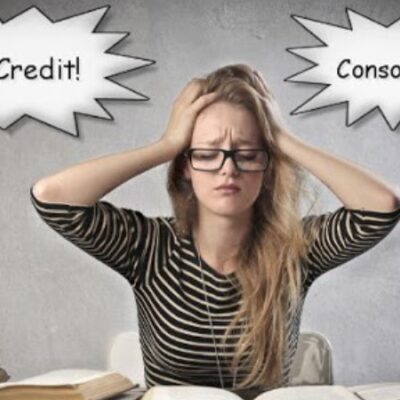
Non-profit organizations, private companies, and financial institutions provide loans to students, including those with bad credit.
These loans help cover various education-related expenses, such as tuition, books, accommodation, and other school-related costs.
Coverage and Need for Private Loans
While these loans offer significant assistance, they may not always cover the full cost of education. This shortfall often necessitates seeking additional private loans.
For students, especially those pursuing medical courses, federal government loans might be insufficient, prompting private institutions to step in with financial aid.
Credit Monitoring and Loan Approval
Before approving a loan, private lenders typically review the credit history of each applicant.
Despite this scrutiny, many private lenders offer loans to students with bad credit, making them an accessible option for a broader range of students.
The terms offered by these private lenders are usually competitive and not overly stringent.
Comparison with Government Loans
Private student loans generally resemble government student loans in structure and often offer similar interest rates to those of credit card companies.
However, private loans may come with more flexible repayment plans, such as extending the repayment period up to 25 years compared to the standard 10 years for federal loans.
This flexibility can ease the repayment burden on graduates and their families.
Benefits of Private Loans
Many opt for private loans due to their attractive and flexible repayment plans, similar to Stafford or PLUS loans.
Private loans are known for their variety of interest rate options, which can be tailored to meet individual financial situations.
Considerations for Bad Credit Student Loans
When applying for private student loans with bad credit, lenders carefully evaluate:
- The student’s credit score
- The parent’s credit score (if applicable)
- The student’s legal background
After assessing these factors, lenders establish the loan details and repayment schedule.
Co-signers and Financial Responsibility
In cases where the borrower fails to repay the loan, private institutions typically require a co-signer to assume financial responsibility.
This additional security helps ensure that the loan is repaid and provides a safety net for the lending institution.
Conclusion
Private student loans offer a viable solution for students with bad credit, providing essential financial support for their education. With flexible repayment plans and competitive interest rates, these loans can help bridge the gap when federal loans fall short.
Understanding the application process and the importance of credit evaluations can help students and their families make informed decisions about their educational financing options.