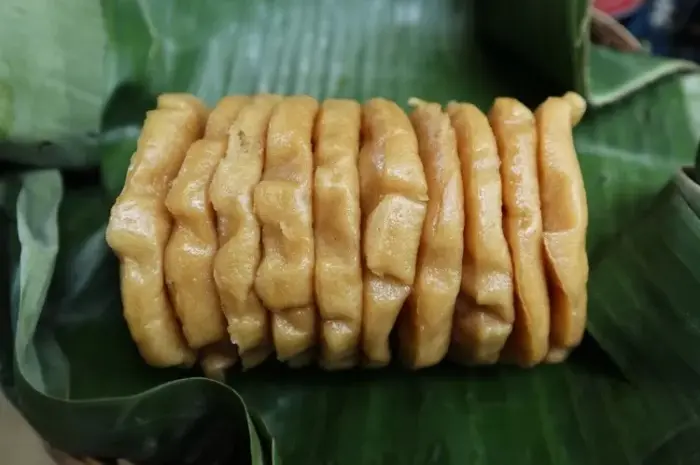
Banjar traditional cakes offer delightful flavors with authentic recipes passed down through generations, making them a special culinary heritage to this day.
Banjarmasin, the capital of South Kalimantan, is not only known as the “City of a Thousand Rivers” but also as a hub of rich traditional cuisine. One of its highlights is the array of traditional Banjar cakes, which are not only delicious but also culturally significant.
Interestingly, many of these cakes are often available only during specific times, such as the holy month of Ramadan, adding an exclusive charm that makes them even more special.
If you’re in Banjarmasin or planning a visit, be sure to try these traditional cakes. From authentic flavors to deep cultural philosophies, here are 10 must-try traditional Banjar cakes. They also make perfect souvenirs from this unique city.
1. Apam Barabai: A Unique Taste from Barabai
Apam Barabai is a soft-textured cake with a brownish color, making it a culinary favorite in Banjar. Made from rice flour, cassava tapai, palm sugar, and white sugar, this cake, a classic example of Typical Banjar Food, has a distinctive sweet flavor.
Named after its origin in Hulu Sungai Tengah, Apam Barabai pairs perfectly with a warm cup of tea, making it an ideal afternoon treat.
2. Wadai Rangai: Crunchy Delight with Sago and Tradition
Wadai Rangai is a dry sago-based cake with a sweet and savory flavor. Its crispy texture makes it a great light snack. Beyond its deliciousness, Wadai Rangai is often part of traditional ceremonies and celebrations, reflecting its integral role in Banjar culture.
3. Kue Lam: Aromatic Coconut Temptation
Kue Lam resembles a layered cake but has its own distinct characteristics. The dominant coconut aroma sets it apart, creating a simple yet rich sweetness with a dense texture. This cake is a favorite souvenir for visitors, thanks to its unique taste that is hard to find elsewhere.
4. Bingka: Iconic Soft and Sweet Delight
Bingka is a well-known Banjar cake offering a sweet taste and soft texture that melts in your mouth. While you might find Bingka in various cities, the authentic version from Banjarmasin is uniquely special.
Available in various flavors such as pandan, potato, and pumpkin, every variant is equally delicious.
5. Sesumapan: A Snack Full of Philosophy
Sesumapan is more than just a cake—it holds deep philosophical meaning. The name “Sesumapan” comes from “se-” meaning unity and “sumapan” meaning closure, symbolizing togetherness in Banjar culture. With its soft texture and sweet taste, Sesumapan is an ideal gift for loved ones.
6. Sesunduk Lawang: Chewy with Banana Leaf Wraps
Sesunduk Lawang is a chewy-textured cake wrapped in banana leaves, adding a distinctive aroma to its flavor. While it resembles lupis, this cake doesn’t use glutinous rice.
The sweetness from palm sugar combined with the savory taste of coconut milk makes it a perfect traditional snack.
7. Kue Patah: Crispy with a Savory Twist
Kue Patah, named for its brittle and breakable texture, is a unique green and white cake. It’s usually enjoyed with tahilala, thick coconut milk cooked until it becomes oily. A sprinkling of fried shallots adds a signature savory touch to this delightful snack.
8. Babongko: Sweet and Soft Wrapped in Tradition
Babongko, meaning “wrapped” in the local language, is a cake wrapped in banana leaves. Made from rice flour with a filling of palm sugar and coconut milk, it offers a sweet and savory taste. Its soft and chewy texture makes it a popular traditional snack in Banjarmasin.
9. Puracit: Traditional Goodness with Coconut Milk Sauce
Puracit is similar to putu mayang but comes in smaller, white-colored portions. The white version is typically served with coconut milk sauce, while the palm sugar version is simply topped with grated coconut. The combination of sweet and savory flavors makes this cake suitable for any occasion.
10. Apam Balikuhai: Unique Grilling Technique for an Iconic Taste
Apam Balikuhai resembles a waffle in shape but uses different ingredients and cooking methods. Made from wheat flour, palm sugar, and coconut milk, the cake is grilled by flipping it repeatedly until cooked—hence the name Balikuhai, meaning “flipped over.” Its fragrant palm sugar aroma and soft texture make it truly special.
The traditional cakes of Banjar are not only delicious but also reflect the beauty of Banjar culture and traditions. Each cake, alongside Typical Dayak Food, carries a story, philosophy, and uniqueness that makes it more than just food.
When you visit Banjarmasin, don’t miss the chance to taste and bring home these special treats. By doing so, you help preserve the culinary heritage that is a vital part of Indonesia’s richness.